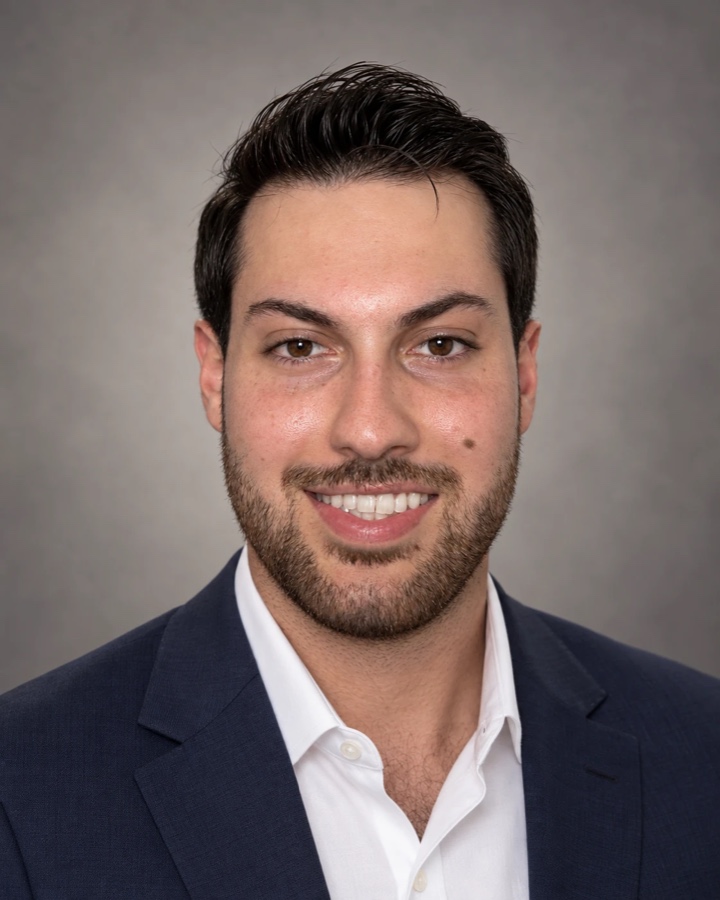
Founder
Alex Towfigh
6+ years sensor and IoT R&D and startup experience, driving deep tech from concept to market — product, IP and sales.
Company
AquaMesh began as sensor research at UC San Diego in 2020 — through the Basement and Horizon accelerators — after a close look at how water is actually measured. The instruments were a generation behind, the large incumbents were moving slowly, and the available answers were bulky, expensive and slow without telling an operator anything they could act on.
Founder
6+ years sensor and IoT R&D and startup experience, driving deep tech from concept to market — product, IP and sales.
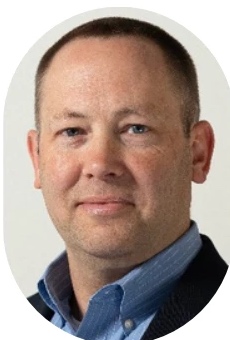
Advisor
30+ years experience
Former SmartCover CEO, M&A lead at Badger Meter, Vice President at WEF.
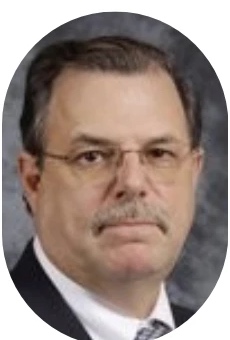
Advisor
45+ years experience
Former executive at Inge, Hydranautics and Mann+Hummel, among others.
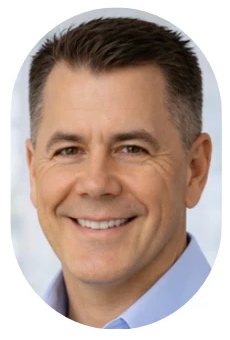
Advisor
30+ years experience
Food operations leader at Leprino Foods, OSF Flavors and Carla's Pasta.
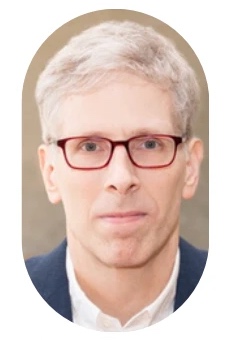
Advisor
25+ years experience
Water technology commercialization; founder of SkyH2O.
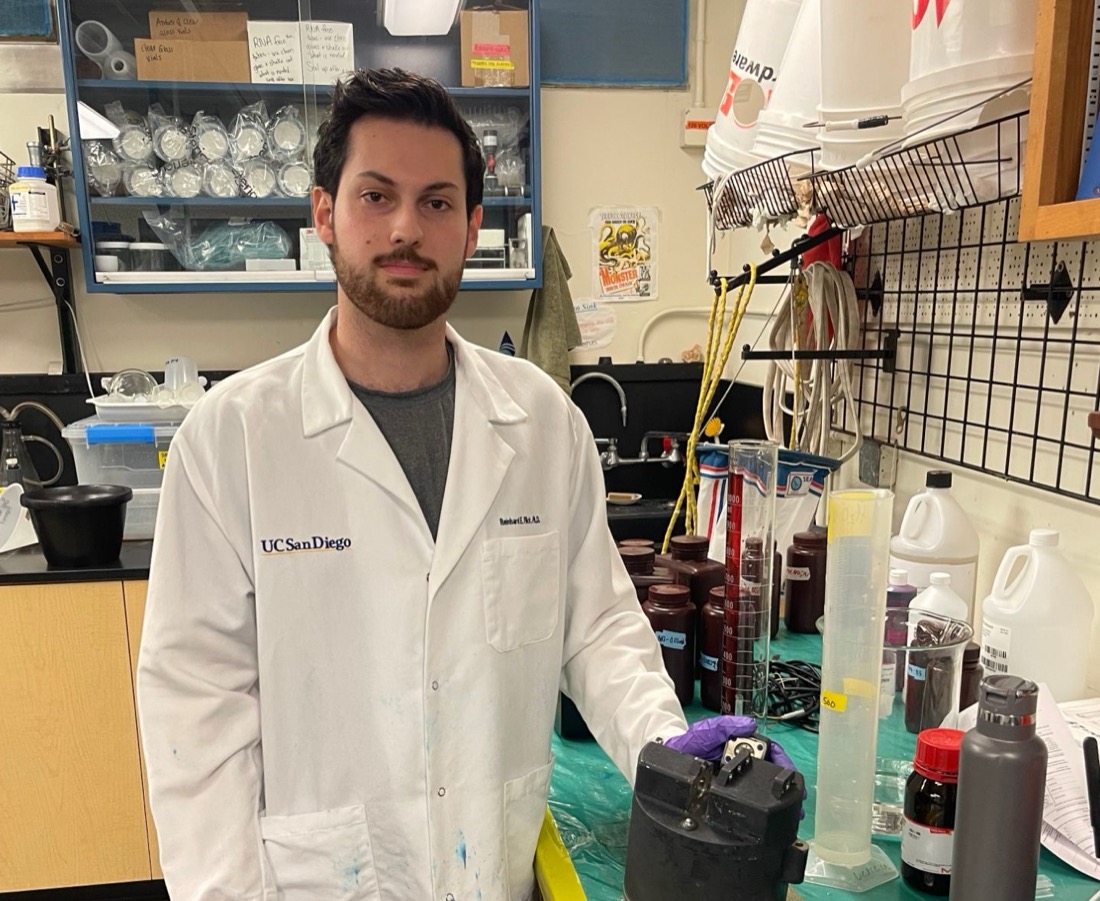
2020 — where it started
The measurement gap was most visible in open water, so that is where the work started: independent research from 2020, then in 2025 the first AquaSpectra sensor, developed for Scripps Institution of Oceanography — a broad-spectrum optical instrument built to read many things from one rugged device.
Where the research was done

Research at UC San Diego, with the first sensor developed for Scripps Institution of Oceanography; company built through the Basement and Horizon accelerators.
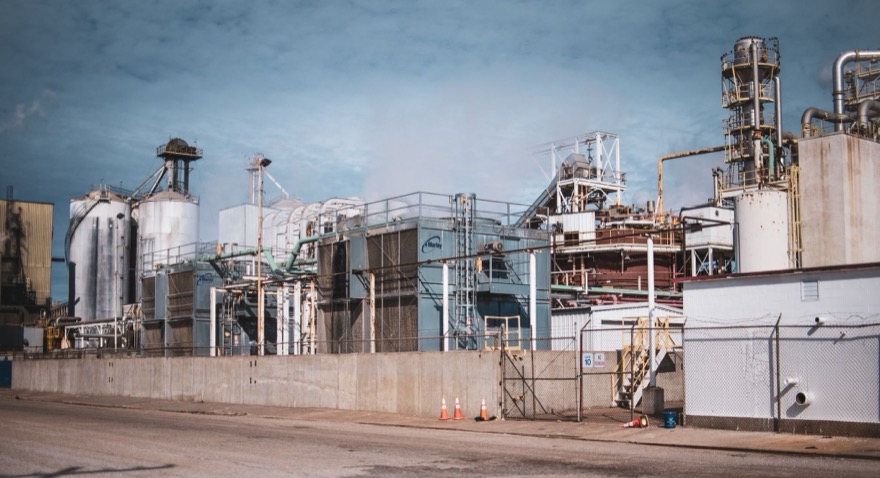
Now — where the value is
Industrial plants have the same blind spots with a cost attached: lost product, wasted energy and chemicals, downtime and compliance risk. They already record the data, they already know what an hour of downtime is worth, and an operator can act on a finding the same shift. The sensing is the same; the value comes back faster.
Bring the thing that has been bothering you, and we'll look at whether your data already shows it.