20+
optical parameters

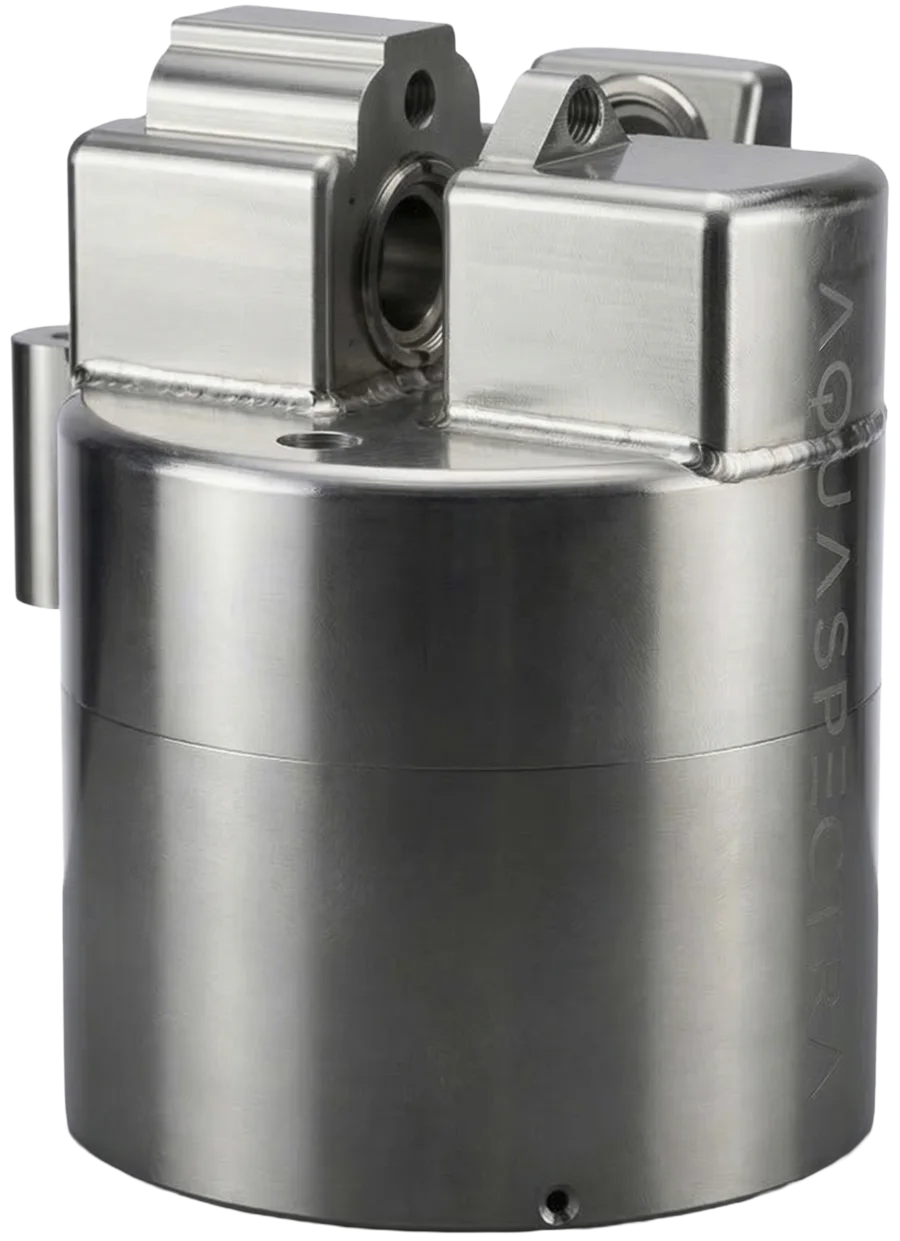
Continuous fluorescence, absorbance, and turbidity sensing in one deployable probe built for autonomous monitoring programs.
20+
optical parameters
190-850 nm
optical range
100 m
depth rated
RS485
wired telemetry
Key Advantages
Multi-parameter sensing, straightforward scalability, and low-maintenance operation
01 / Multi-Parameter Sensing
01 / Multi-Parameter Sensing
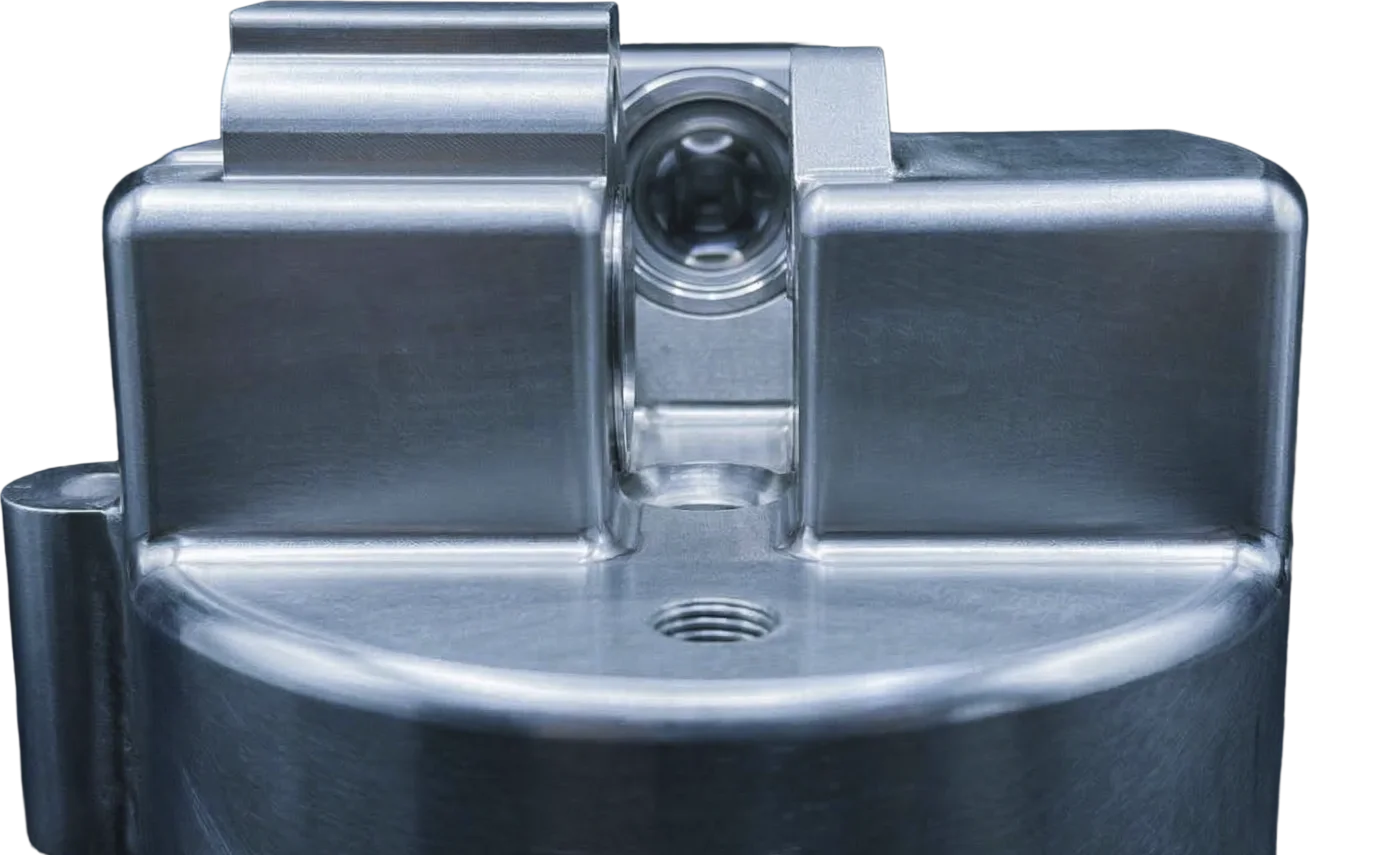
One deployment, wider chemistry coverage
Measure fluorescence, absorbance, and turbidity in one device, simplifying deployment and reducing sensor sprawl.
02 / Easy Scalability
02 / Easy Scalability
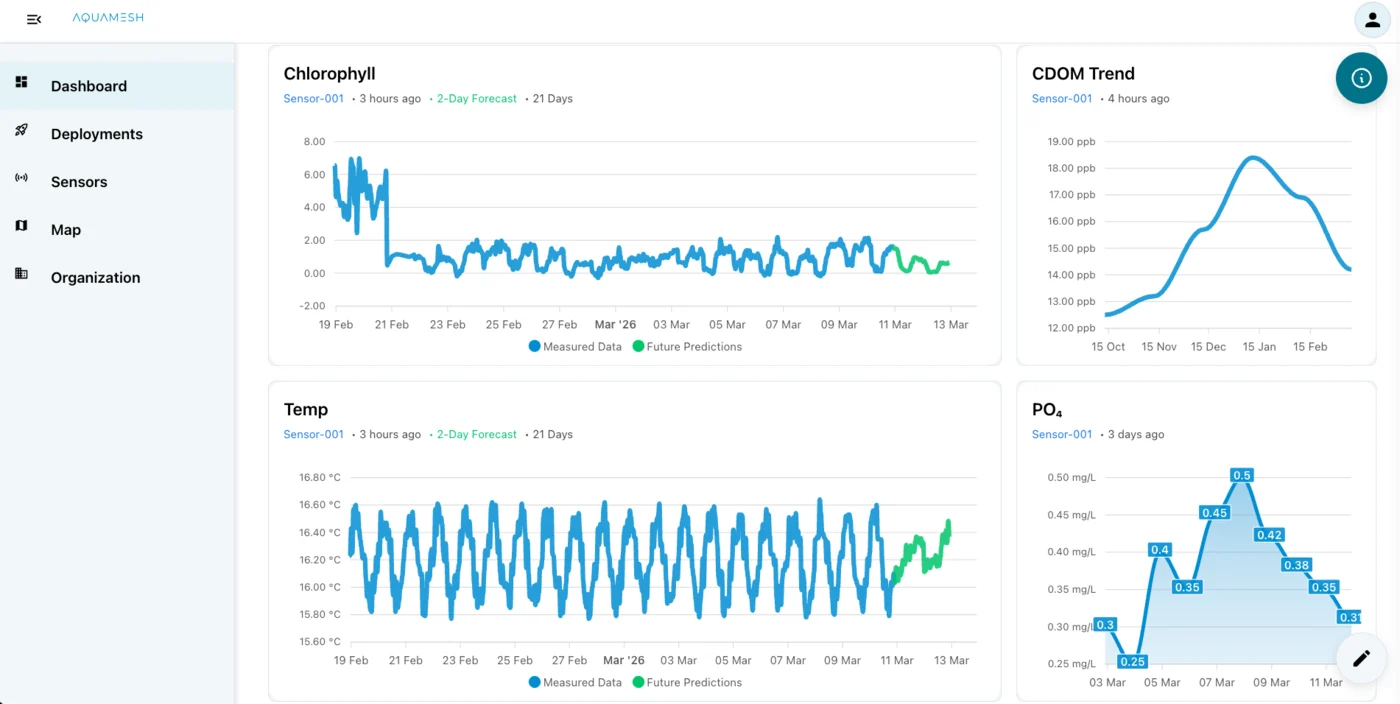
Probe-to-platform continuity
Designed as part of a deployable water intelligence system, not an isolated sensor.
03 / Low Maintenance
03 / Low Maintenance
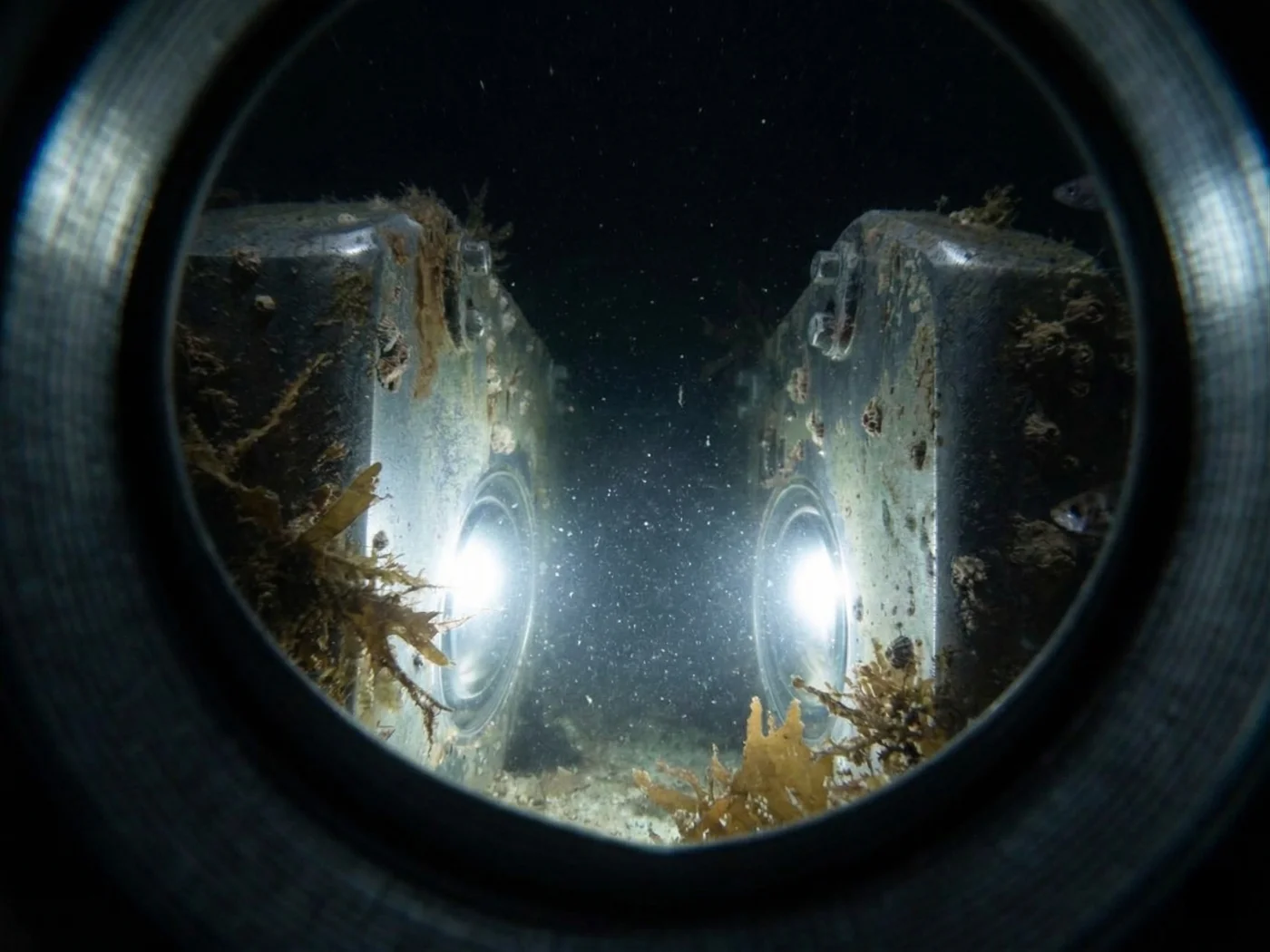
Reduce field visits
Use the onboard camera to spot potential fouling, verify site conditions, and better understand whether parameter shifts reflect the water or the sensor.
Case Study
Freshwater, coastal, and industrial programs can use the same probe, with Scripps Pier serving as the current validation site.
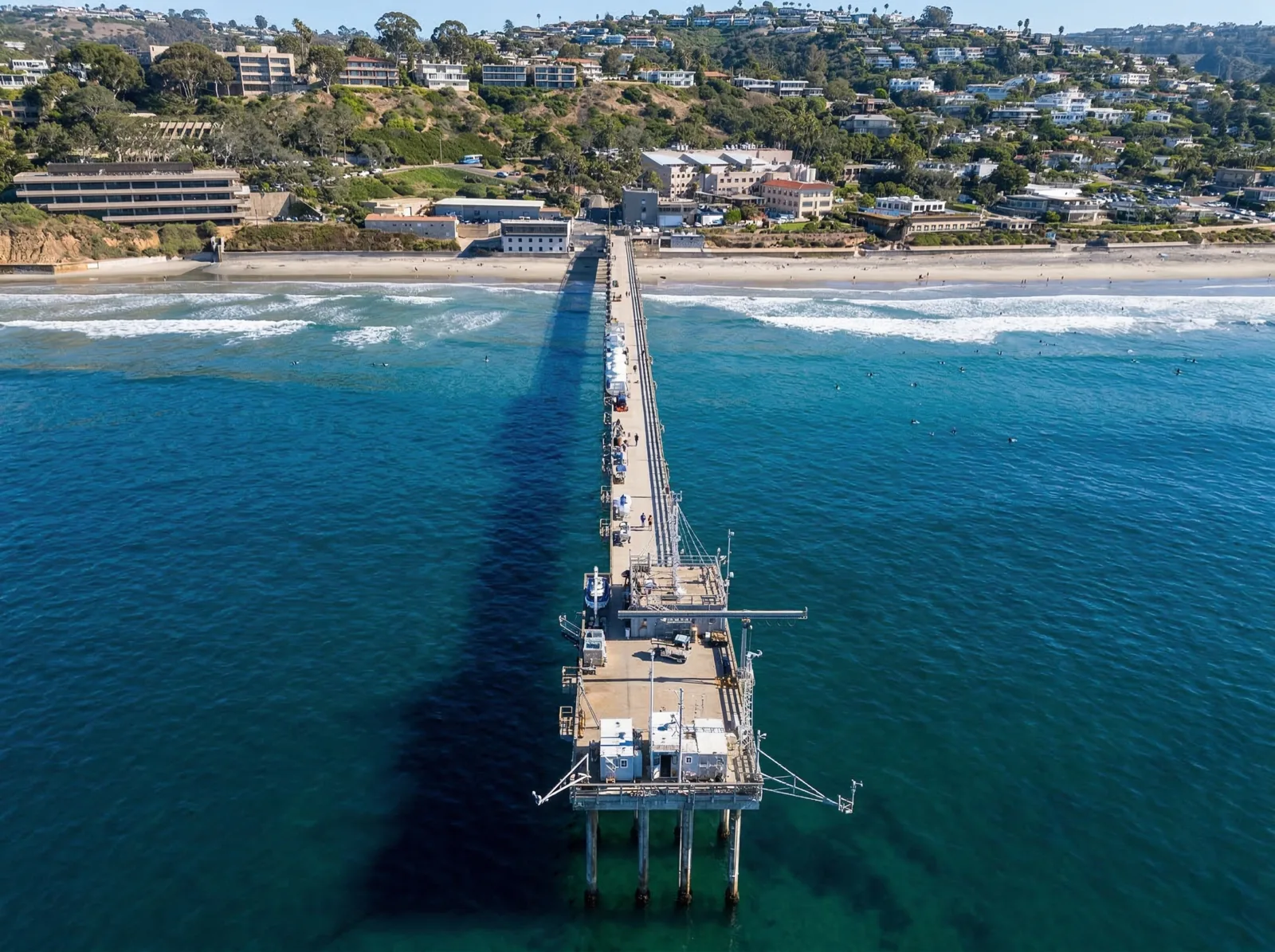
Scripps Case Study
AquaSpectra is being validated with UC San Diego's Scripps Institution of Oceanography in exposed marine conditions while staying relevant to freshwater, coastal, and industrial monitoring programs.
Specifications
Technical detail for buyers who want the essentials before starting a deployment conversation.
FAQ
What it measures, how it deploys, how the data is accessed, and where it fits in the AquaMesh system.
AquaSpectra is positioned around optical water quality monitoring, including absorbance, fluorescence, and turbidity-driven parameters such as nitrate, TOC, chlorophyll, fDOM, UV254, and related indicators.
Yes. AquaSpectra is framed around field-ready deployment with depth rating to 100 m, configurable sampling, rechargeable power, and RS485 connectivity to the AquaLink hub for remote or distributed monitoring workflows.
Data flows from the probe via RS485 to the AquaLink hub, which handles local MicroSD logging and upstream telemetry. The broader AquaMesh stack positions AquaSpectra alongside AquaLink, AquaLog, and AquaView for remote monitoring and operational visibility.
AquaSpectra is designed to work as a sensing node within the wider AquaMesh stack, pairing with AquaLink for telemetry, AquaLog for field workflows, and AquaView for live monitoring, alerts, and analytics.
Explore the Stack
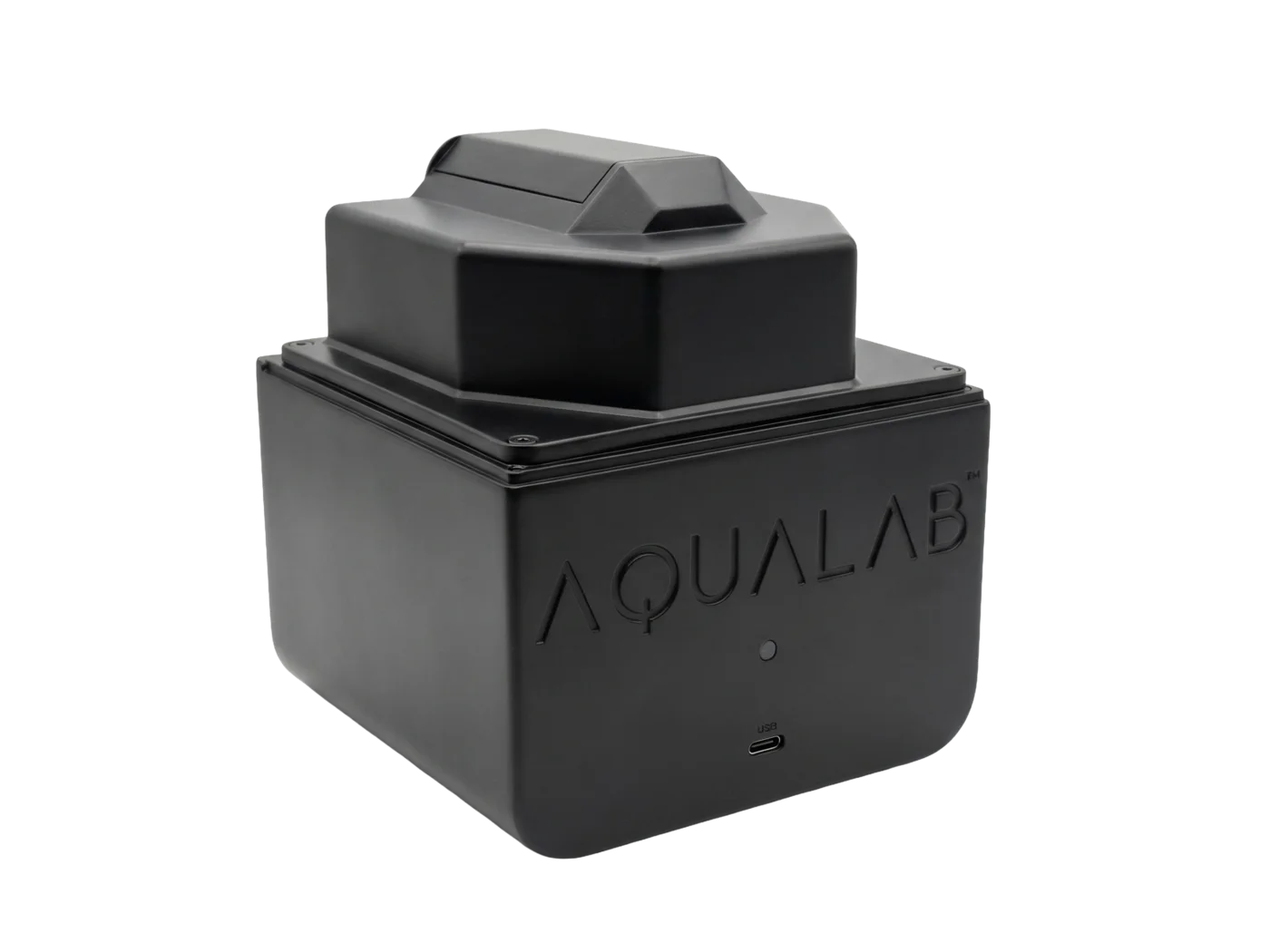
Benchtop Analyzer
Lab-grade multi-parameter optical sensing in a compact benchtop form factor.
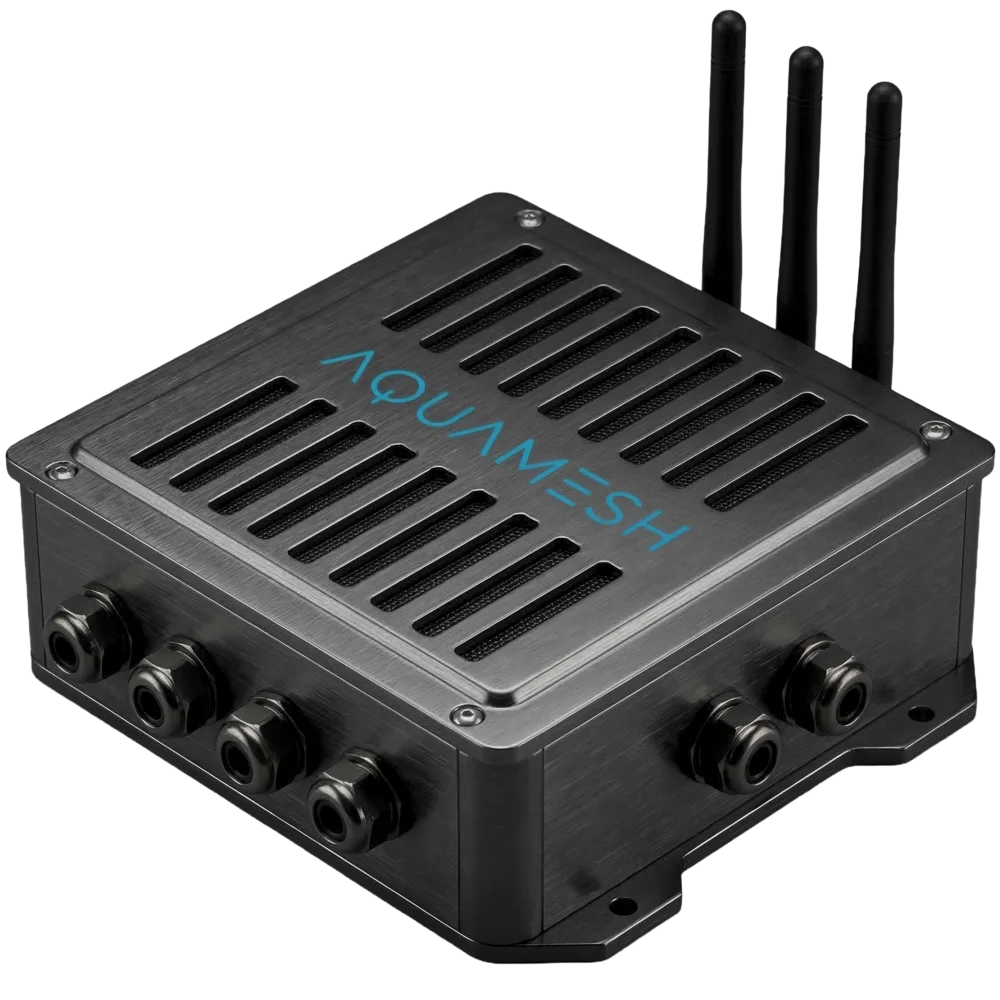
Gateway Hub
A compact gateway that aggregates sensor traffic and bridges field telemetry to the cloud.
Software Platform
Live dashboards and operational tools for distributed water-quality programs.
Contact
Tell us what you are monitoring and we will help match the right hardware, connectivity, and reporting workflow.
AquaMesh supports autonomous field sensing, watershed monitoring, stormwater deployments, and custom water quality instrumentation programs.
Multi-parameter optical sensing with resilient telemetry.
Guidance on hardware selection, deployment topology, and reporting.
Fast follow-up for pilots, procurement, and research conversations.