20+
optical parameters

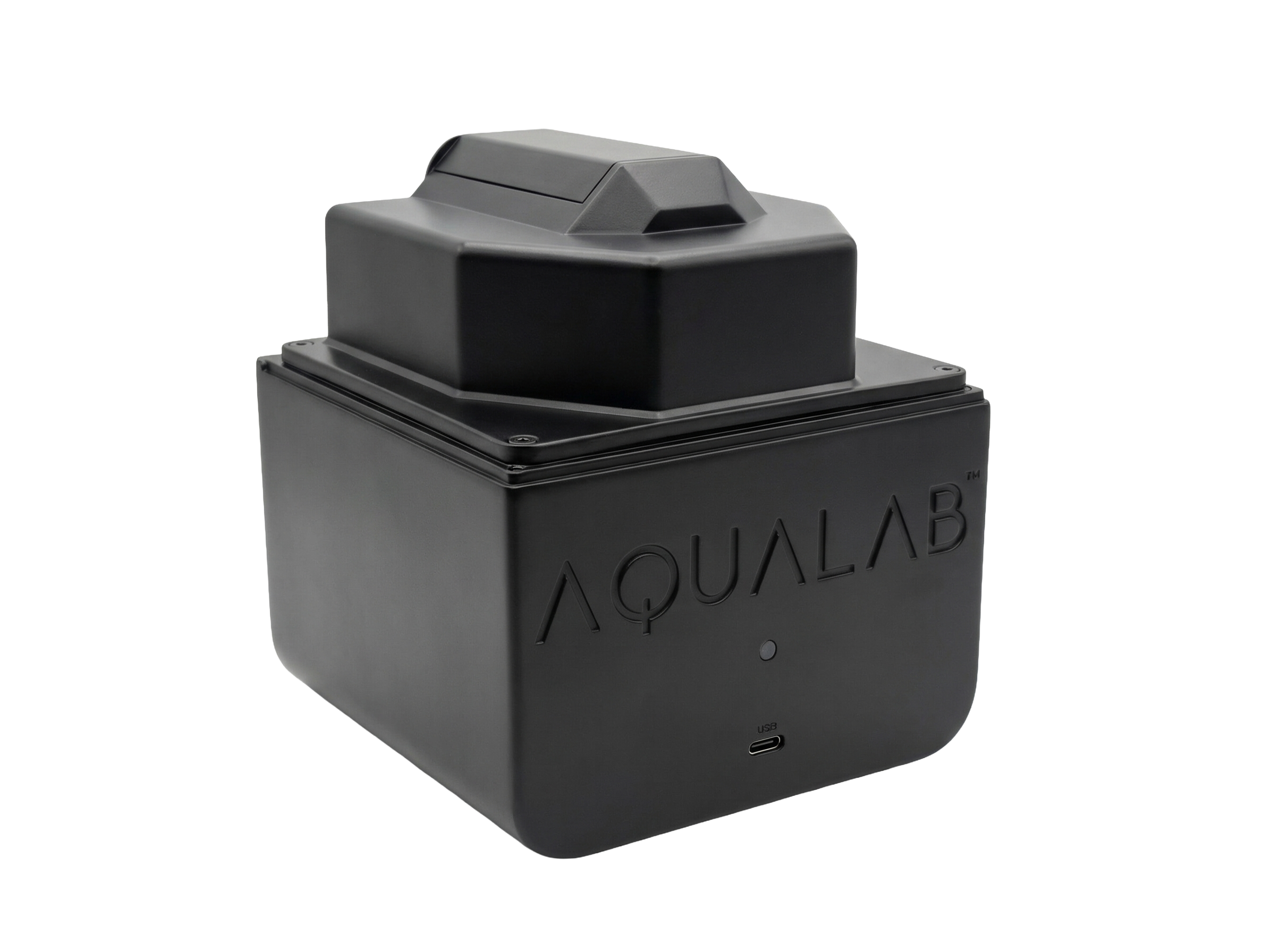
Multi-parameter optical water analysis in a compact benchtop unit built for lab verification and grab-sample workflows.
20+
optical parameters
190-850 nm
optical range
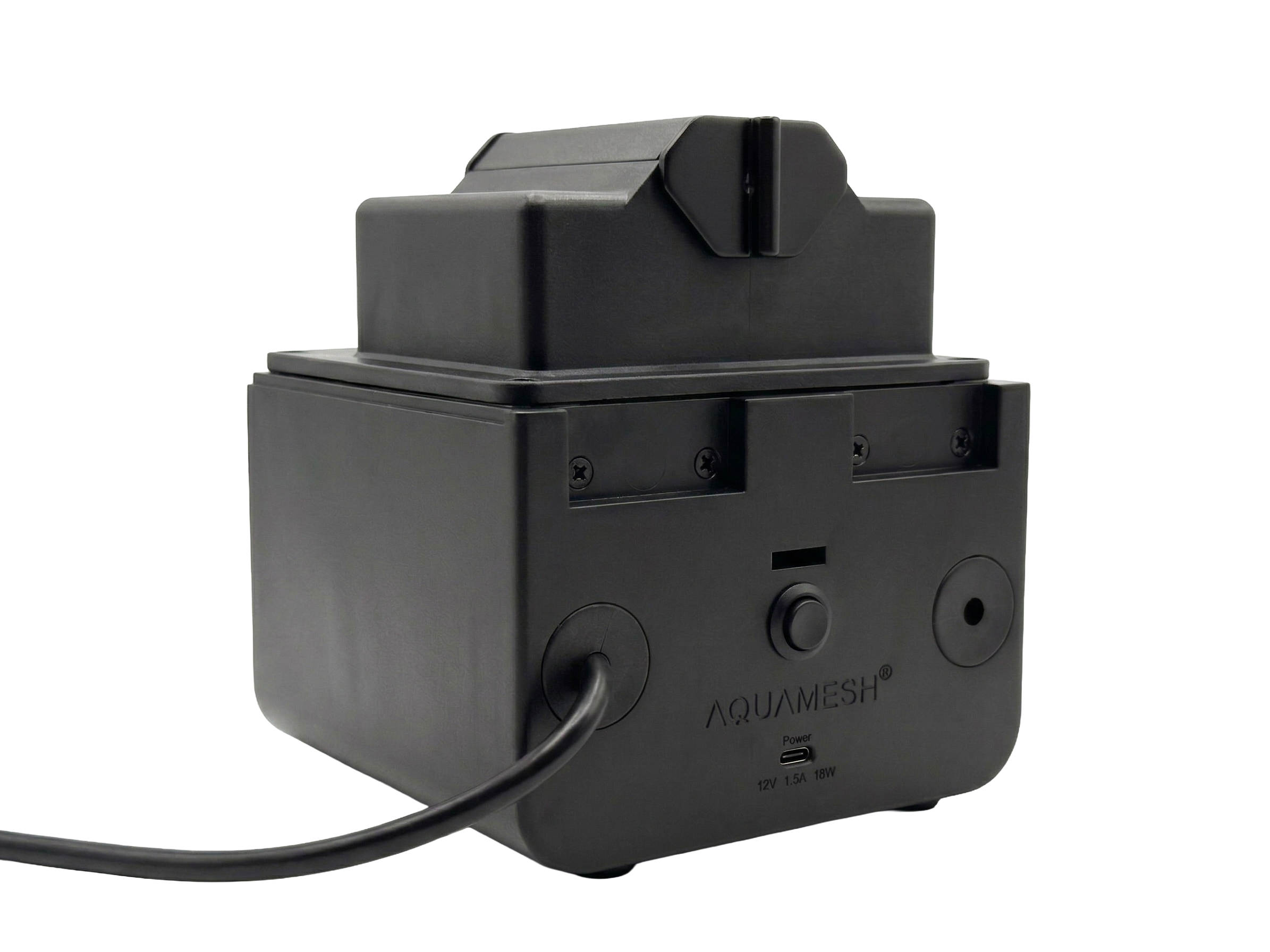
USB-C
direct connection
Benchtop
lab form factor
Key Advantages
Lab-grade optical sensing, seamless field-to-lab data continuity, and simple operation
01 / Lab-Grade Sensing
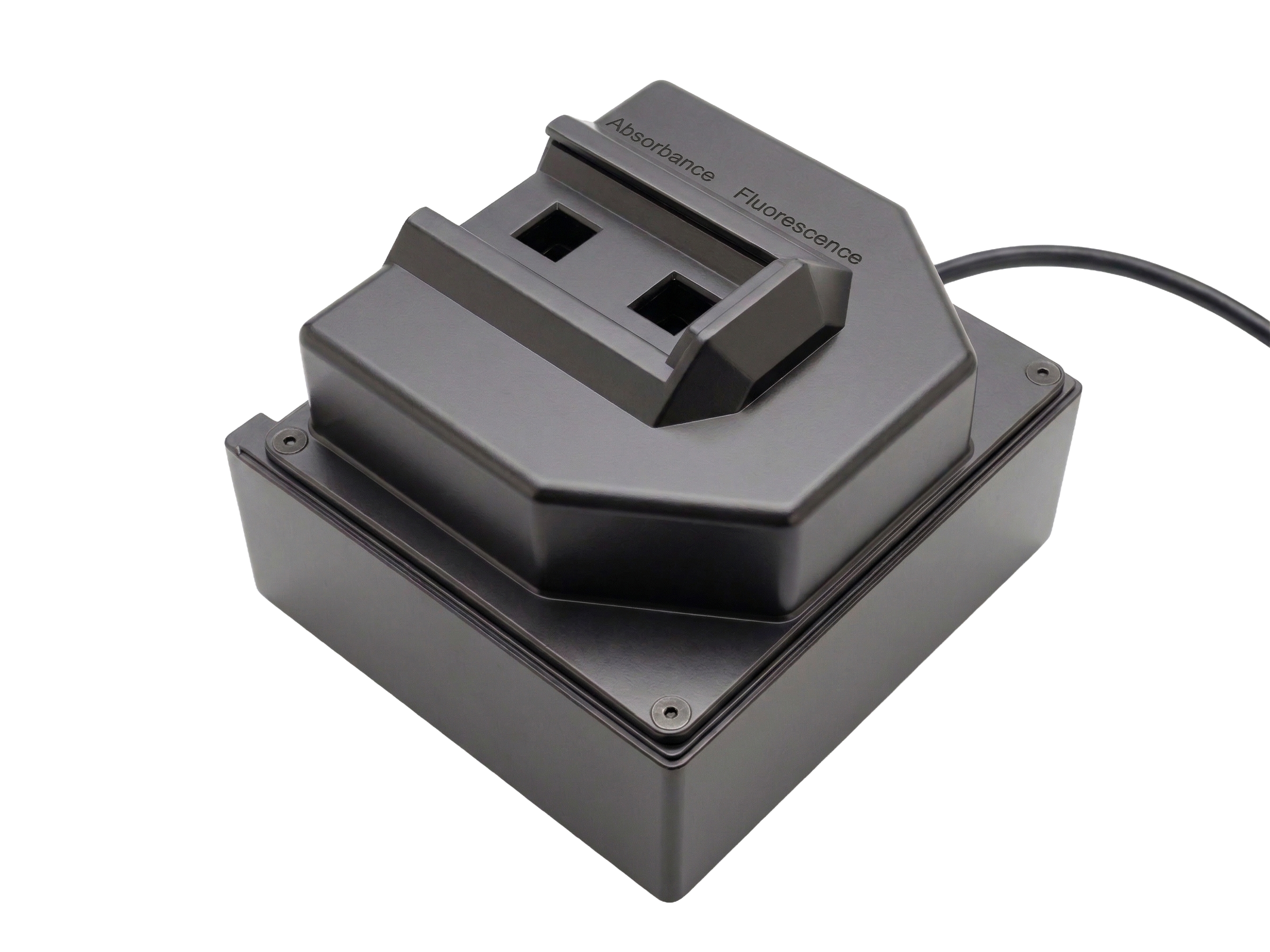
Most lab water analysis still relies on reagent kits, single-parameter instruments, or expensive bench spectrometers. AquaLab consolidates multi-parameter optical sensing into one compact benchtop unit that runs the same sensing stack as the field-deployed AquaSpectra probe.
02 / Seamless Data Continuity
When field probes and lab instruments speak different data languages, reconciliation becomes a manual chore. AquaLab produces results in the same format as the AquaSpectra probe, making field-to-lab comparison straightforward.
03 / Simple Operation
Complex lab spectrometers require training, warm-up routines, and careful sample preparation. AquaLab is designed for direct operation — connect via USB-C, place a sample in the cuvette holder, and get multi-parameter results immediately.
Specifications
Technical detail for buyers evaluating AquaLab for lab and bench workflows.
FAQ
What it measures, how it connects, how it compares to the field probe, and where it fits in the AquaMesh system.
AquaLab uses the same optical sensing engine as the AquaSpectra probe, covering absorbance, fluorescence, and turbidity-driven parameters including nitrate, TOC, chlorophyll, fDOM, UV254, and related indicators — all from a benchtop form factor.
AquaLab connects via USB-C for both power and data. No external power supply or serial adapter is needed. Results stream directly to a connected computer running AquaView or can be exported as CSV.
Yes. AquaLab produces data in the same format and uses the same optical engine as the AquaSpectra probe, making field-to-lab cross-validation straightforward within the AquaView platform.
AquaLab serves as the lab-side complement to the field-deployed AquaSpectra probe. It pairs with AquaView for data visualization and analysis, and works alongside AquaLink and AquaSpectra for programs that need both continuous field monitoring and lab-side verification.
Explore the Stack
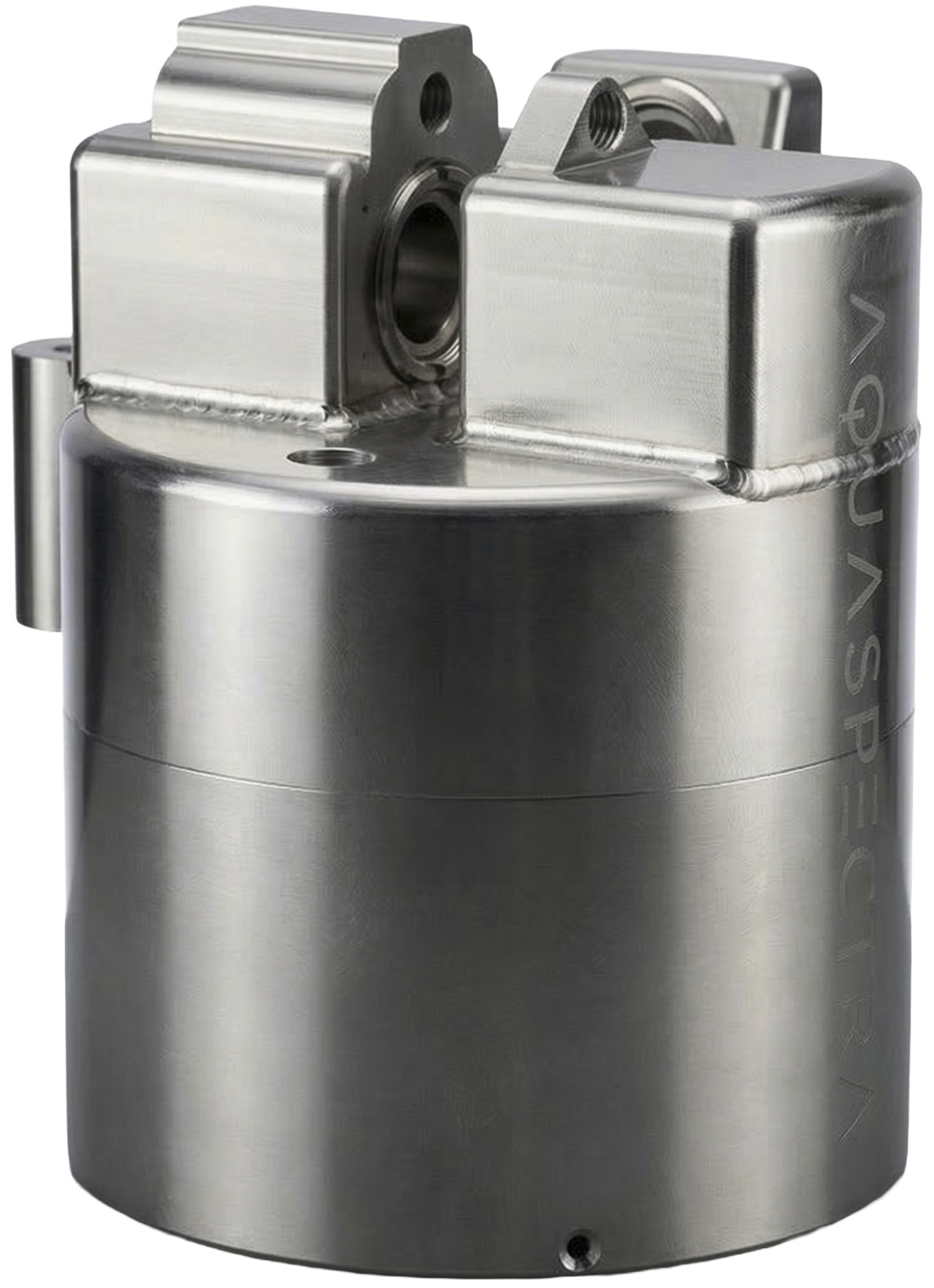
Sensor Probe
Multi-parameter optical sensing for continuous water-quality monitoring in the field.
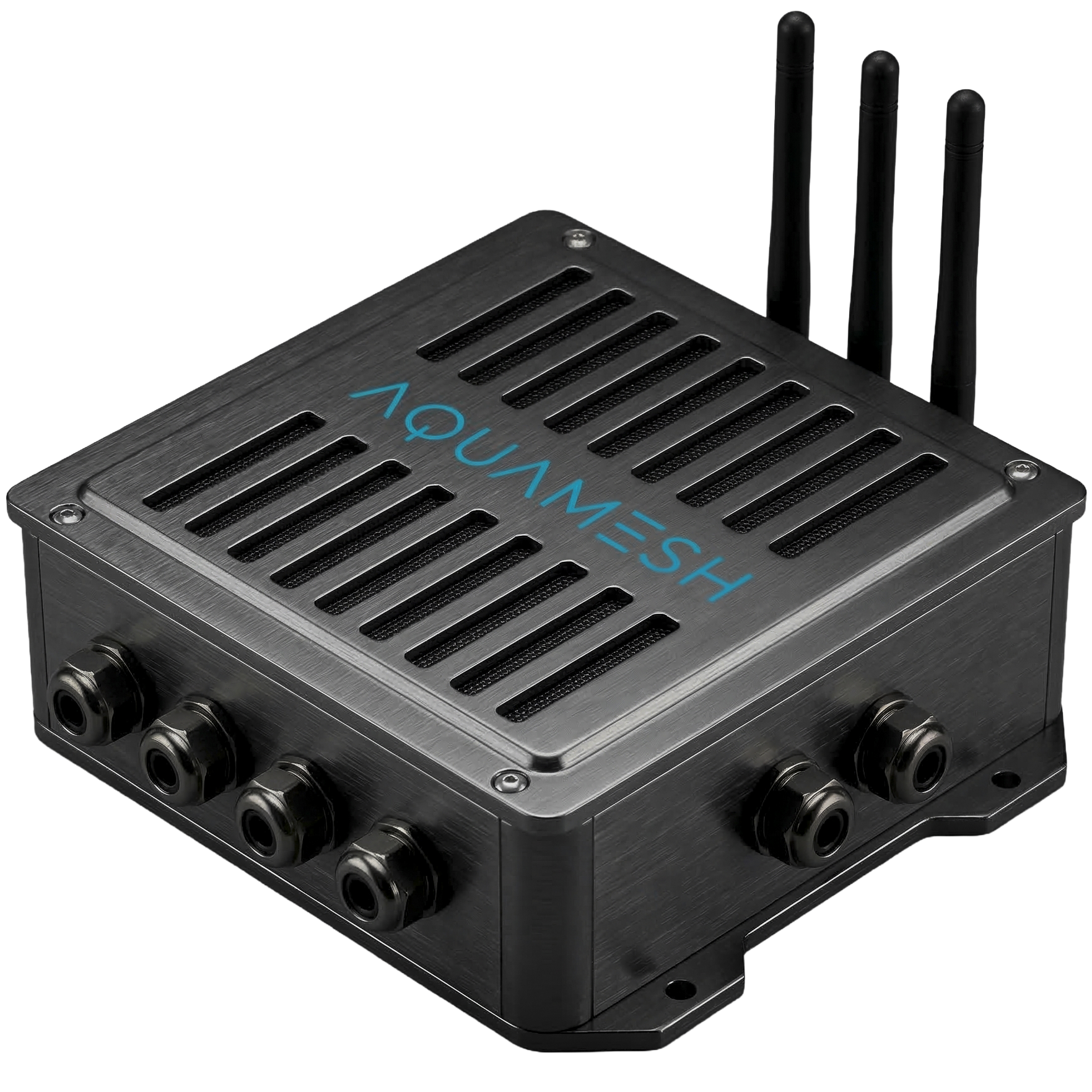
Gateway Hub
A compact gateway that aggregates sensor traffic and bridges field telemetry to the cloud.
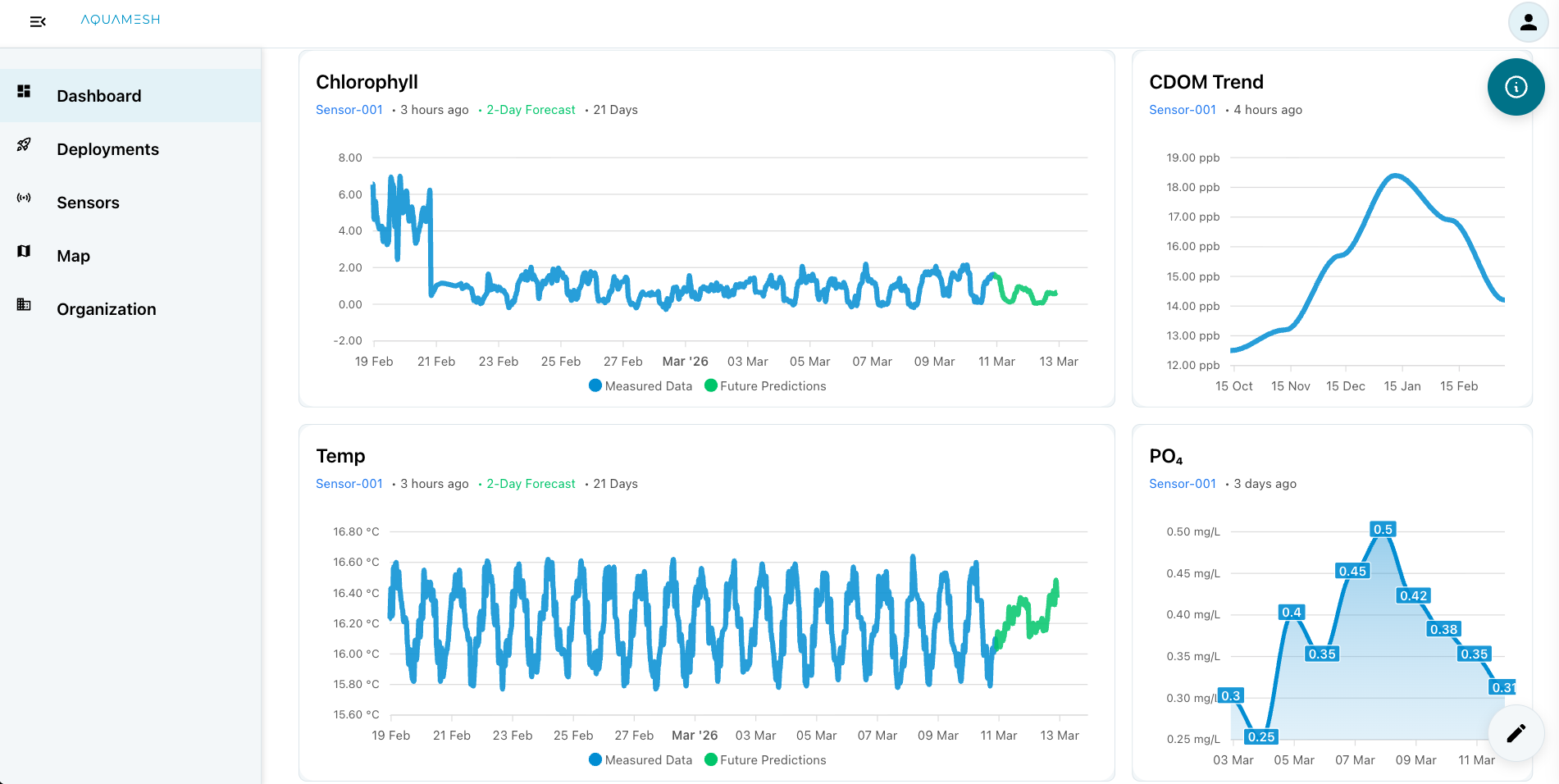
Software Platform
Live dashboards and operational tools for distributed water-quality programs.
Contact
Tell us what you are monitoring and we will help match the right hardware, connectivity, and reporting workflow.
AquaMesh supports autonomous field sensing, watershed monitoring, stormwater deployments, and custom water quality instrumentation programs.
Multi-parameter optical sensing with resilient telemetry.
Guidance on hardware selection, deployment topology, and reporting.
Fast follow-up for pilots, procurement, and research conversations.